Spotlight
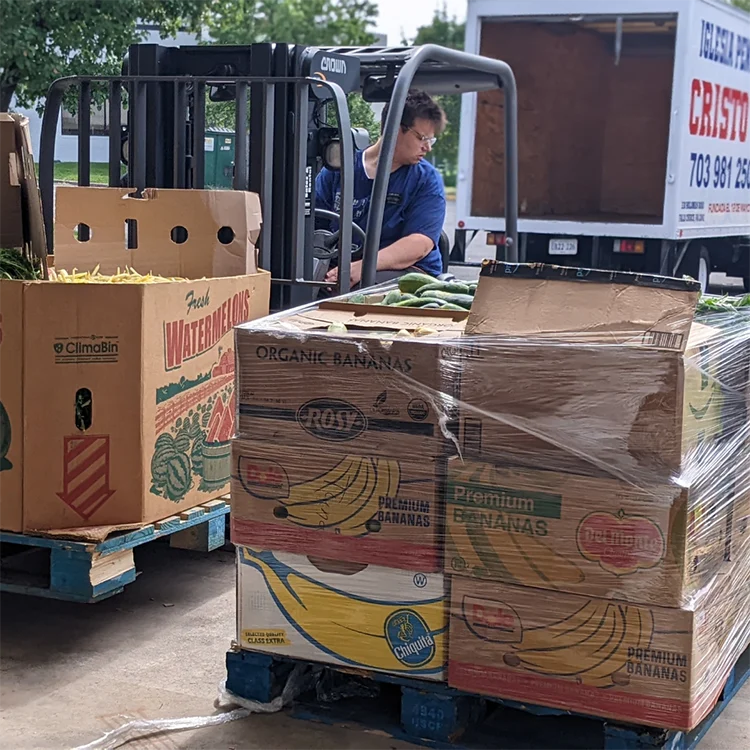
From rescuing millions of pounds of food to tackling chronic health issues through food access, Northern Virginia Food Rescue is redefining what it means to feed people and protect the planet.
Faces of Food Rescue: Northern Virginia Food Rescue
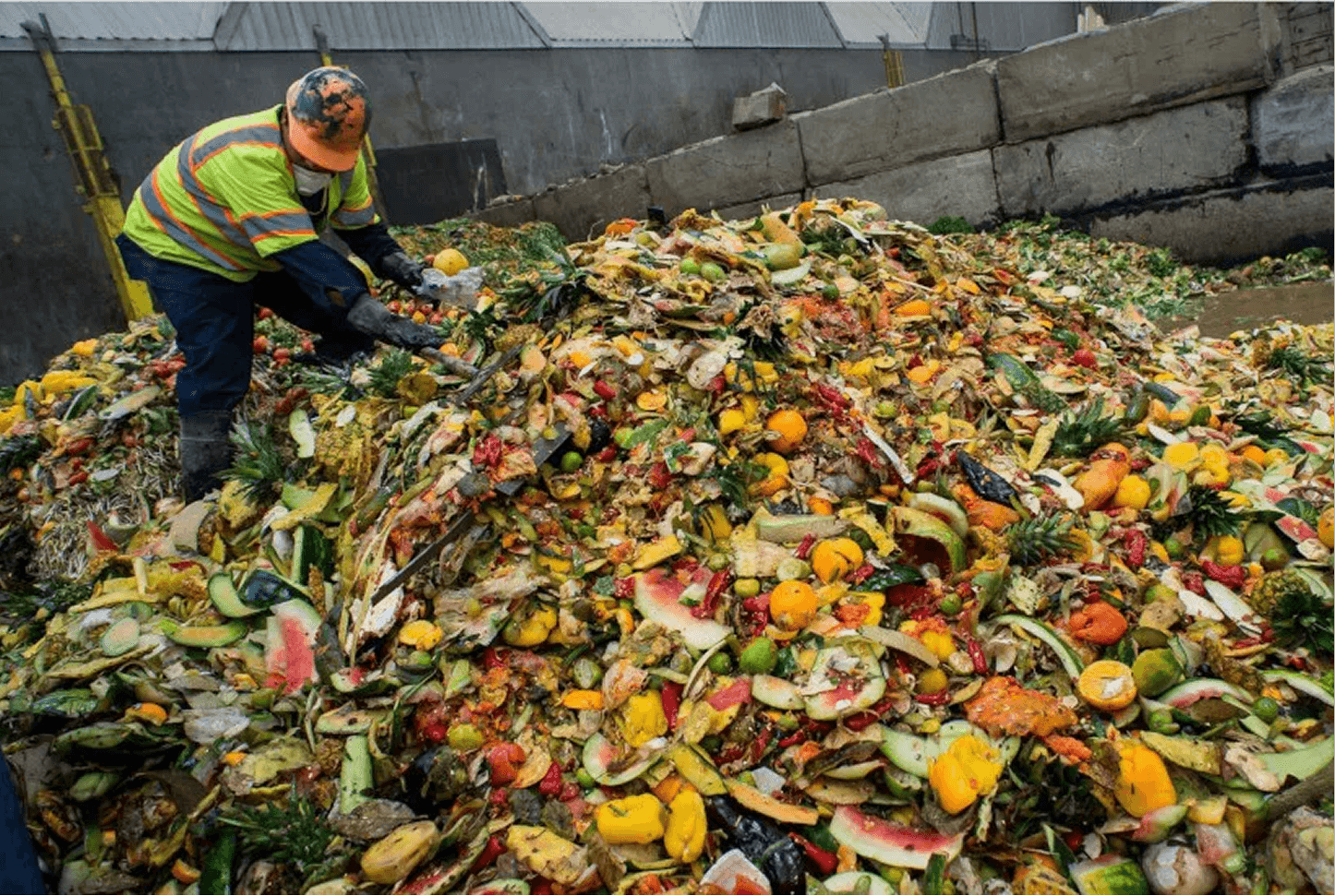
Our Faces of Food Rescue series highlights the people leading the charge to reduce food waste, prevent harmful methane emissions, and feed communities in need across the United States.
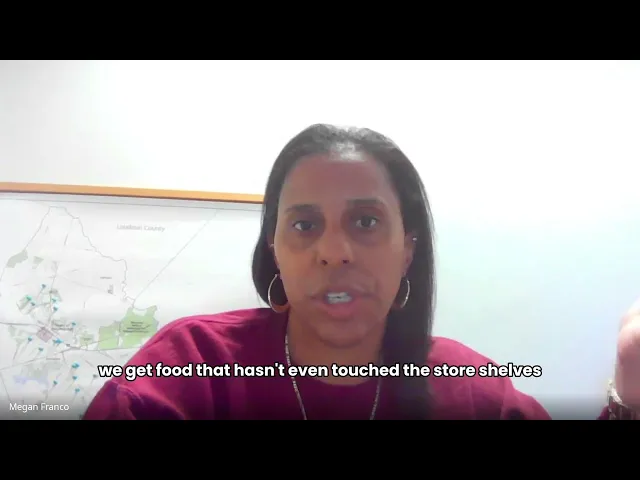
We sat down with Megan Franco, Executive Director of Northern Virginia Food Rescue, to learn how her team is tackling food insecurity, improving community health, and keeping perfectly good food out of landfills across Prince William County and beyond.
How long have you been with Northern Virginia Food Rescue, and how did you first get involved?
I’ve been with the organization a little over two years — I joined in the summer of 2023.
Before this, I worked in human services and social work, focusing on housing and housing insecurity. I’m originally from Virginia Beach and always wanted to live in Northern Virginia. When I learned about food rescue, I realized how massive the issue of food waste really was.
I thought it was the perfect fit — a chance to continue serving people while also addressing an environmental issue. It’s a win-win: we’re feeding families and keeping food out of landfills.
What are you most proud of from the past year?
I’m proud of the quantity and quality of food we’ve been able to recover.
Last year, we rescued nearly three million pounds of food, ranging from fresh produce to meat, dairy, and other staples. It’s meaningful not only because of the amount, but because we’re providing nutritious, high-quality food that meets people’s dietary needs — and doing it with dignity.
If you could get an unlimited supply of one rescued item, what would it be?
It would have to be fresh produce.
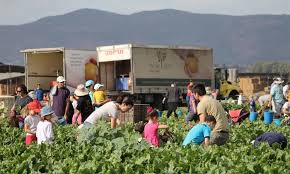
There’s such a powerful connection between food access and health. In many of the communities we serve — especially those that are food deserts — people’s access to fresh, healthy food is limited. Being able to offer produce helps reduce visits to the ER and doctors’ offices for chronic conditions like diabetes and high blood pressure.
It’s not just about providing food — it’s about improving health outcomes and ensuring families have access to well-rounded, nourishing meals.
What’s one myth about food recovery you wish you could bust?
A big myth we hear is that food recovery organizations are distributing expired or low-quality food. That couldn’t be further from the truth.
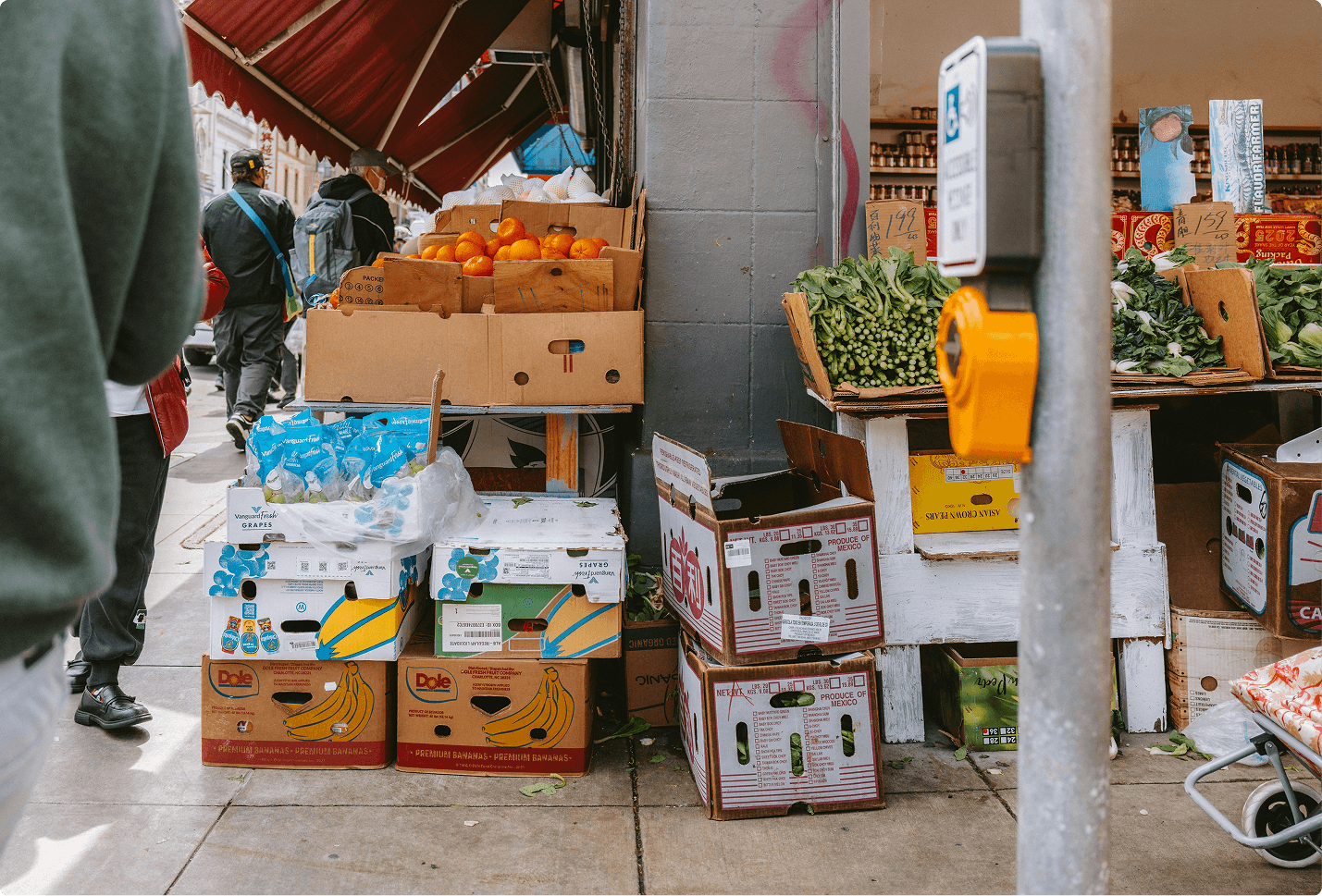
We often receive food that hasn’t even touched store shelves — items that might have a misprinted label or were overordered. They’re perfectly good products that would otherwise be thrown away because of retail standards, not safety or quality.
We make sure that everything we distribute is food we’d want to eat ourselves.
What types of food does your community get most excited to receive?
Our community here in Greater Prince William has a large Hispanic population, and we see a lot of excitement for ingredients like rice, beans, and fresh produce — the building blocks of home-cooked meals made from scratch.
How often are you able to get those products?
That’s the unpredictable part of food rescue — you never quite know what you’ll get until you get it.
We do have recurring rescues, so we have a sense of what certain stores provide, but we also receive ad hoc truckload rescues — for example, when a large shipment gets rejected from a distributor or restaurant chain.
When we put out the call that we have a specific product, it’s usually gone in no time.
What’s one behind-the-scenes detail about food recovery that might surprise people?
I think people would be surprised to learn that we operate with a zero-waste model.
If we ever receive food that we wouldn’t feel comfortable giving to people, we partner with local farms to use it as livestock feed or compost. You'll never see us taking anything to the trash.
If you had to describe Northern Virginia Food Rescue in three words, what would they be?
Innovative. Compassionate. Flexible.
We have to be all three. Things can change quickly — sometimes we get a phone call and need to act fast to coordinate a pickup or resolve an issue. Our team is quick on our feet and always ready to adapt.
What are your organization’s biggest constraints to growth?
Honestly, funding.
Food insecurity in our area is growing rapidly — 43 % of residents in Prince William County are now experiencing food insecurity, making us the second highest in the D.C.–Maryland–Virginia region behind Prince George’s County.
But while need is rising, resources are shrinking. We’re seeing reduced funding at a time when our communities need more support than ever.