Spotlight
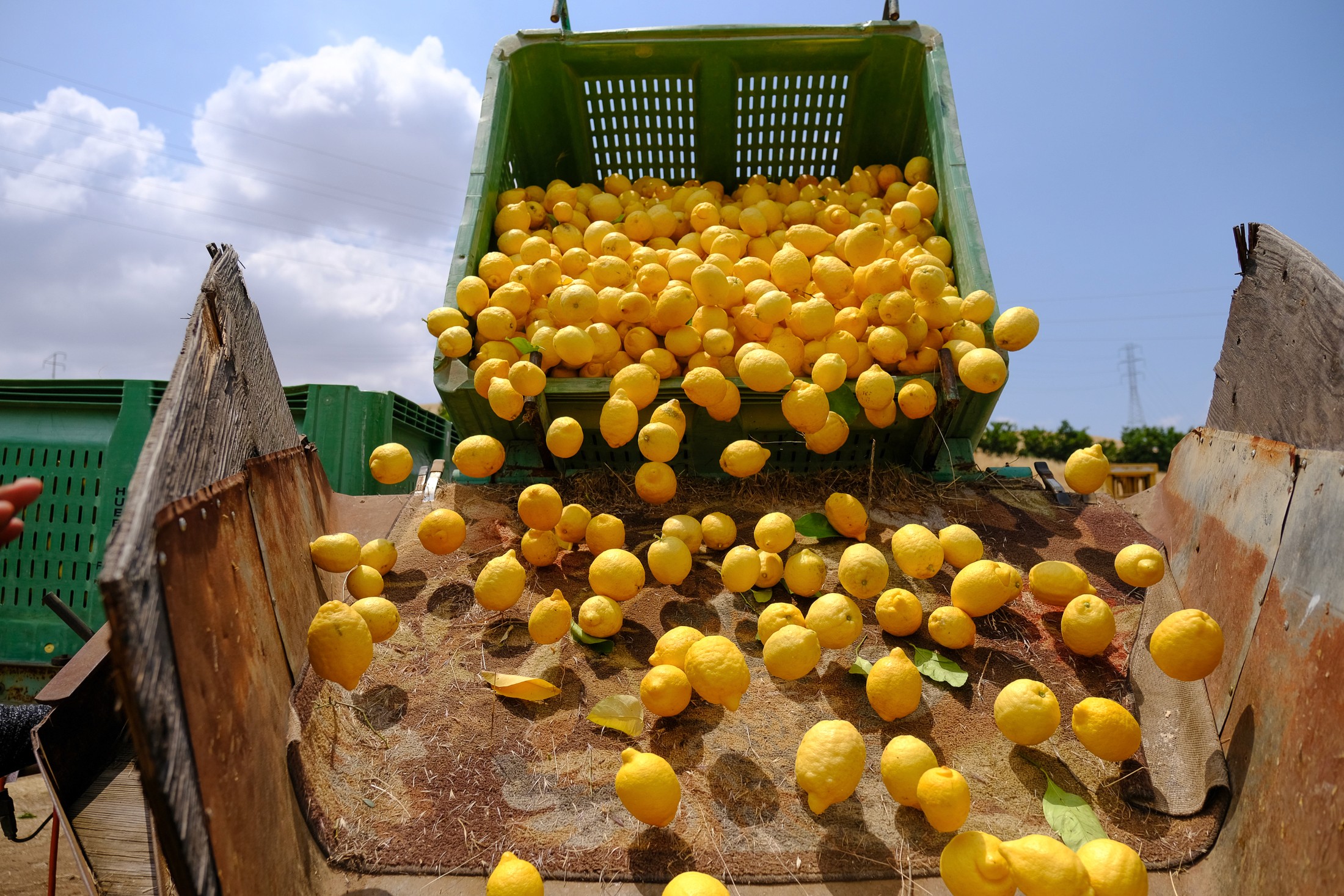
Hear how the Farmlink Project began as a grassroots idea and has grown into a national movement linking farms, food banks, and policymakers to keep millions of pounds of food out of landfills.
Faces of Food Rescue: The Farmlink Project
Our Faces of Food Rescue series highlights the people leading the charge to reduce food waste, prevent harmful methane emissions, and feed communities in need across the United States.
We sat down with Aidan Riley, co-founder of The Farmlink Project, to learn how a group of college students turned a simple idea at the start of the pandemic into a national movement connecting surplus food along the supply chain to food banks across the country.
Tell us the Farmlink origin story!
I’ve been with Farmlink since day one, which was in April of 2020.
We started right at the beginning of the pandemic. We saw that fresh food was going to waste, and at the same time, our local food bank in Los Angeles was running out of the very things that were getting thrown out — fresh produce, dairy, milk, eggs.
And we had the idea: why don’t we just try to connect the two?
What is something you’re most proud of or excited about from the past year?
I'm really proud of the strides we’ve made from a policy perspective.
We bootstrapped this project — we just went out and said, we’re going to show people that this can be done.
But if we want to make sure that food isn’t going to waste — let alone billions of pounds of it — we need partnership with both federal and state governments. That’s not easy to do, but we’ve made massive progress in the last year, and it’s not going to stop there.
What’s one behind-the-scenes detail of food rescue that people might be surprised to learn?
Hundreds of millions of pounds are being saved from going to landfills every year across all these organizations.
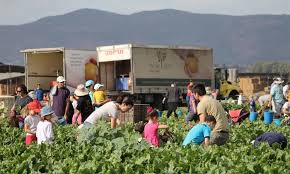
But the way that happens is often by small teams of two or three people, or volunteers distributing food to their communities — sometimes without a forklift or a pallet jack. I’ve seen people unloading trucks by hand and passing food out to their neighbors.
It’s a massive operation in terms of numbers, but it’s often literally just people bootstrapping it — with sweat, hard work, and time — to make it happen.
What type of food do your partners or communities get most excited to receive?
Every community is different. Food isn’t just food — it’s also what’s culturally relevant to that place.
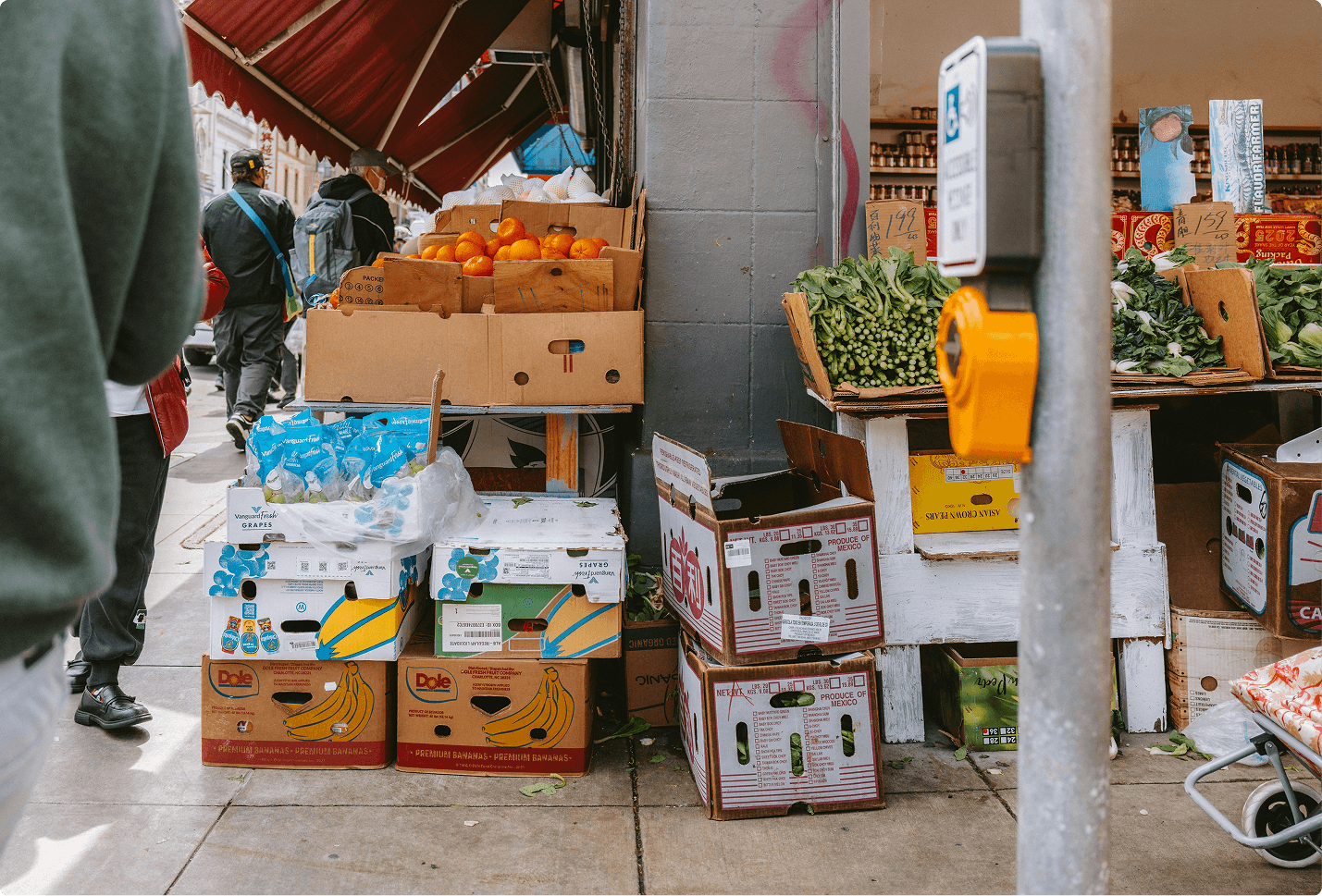
But everybody loves a fresh tomato or avocado — things that are expensive and often hard to get in the grocery store. It’s amazing when you can get that to someone for free and see families leaving with bags full of fresh produce.
If you could get an unlimited supply of one rescued food item, what would it be?
Potatoes.
For two reasons. First, they’re a staple. And second, there kind of is an unlimited supply — we’re trying to make sure we can get those potatoes out to the people who need them.
What’s one myth about food recovery that you wish you could bust?
A myth I’d like to bust is that food recovery is a competitive space, where people don’t want to work together.
That’s not what we’ve seen at all. We’ve worked with thousands of community organizations over the last five years. The second we connect one in one county to another a county over, and they realize, “Hey, I’ve got half a truckload of food — can you take it?” — that connection lasts well beyond when Farmlink leaves.
There’s enough food and enough need for everyone. We just need the partnership and collaboration to make it happen, and people are genuinely willing to do that.
Where are you recovering most of your food from?
We get food pre-retail, before it ever reaches grocery stores.
That could mean fruit still hanging from a tree on a farm, or food that’s already been picked, packed, and put on a truck — but the order got canceled at the last second.
Anytime food gets stuck along the supply chain, whether it’s at the warehouse or with the farmer, we want them to know they can call Farmlink, and we’ll get it to the people who need it.
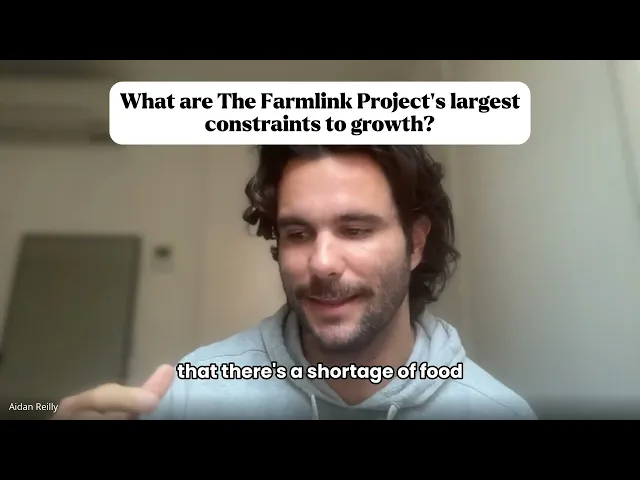
What are Farmlink’s largest constraints to growth?
One of our largest constraints is that there’s more supply of food than there is capacity to take it.
There are tens of millions of Americans who need that food — but the issue isn’t the food itself, it’s the lack of infrastructure. Cold storage, trucks, pallet jacks — all the things community organizations need so they don’t have to unload trucks by hand or scramble to get everything out in a day.
If we can help build up that infrastructure, these organizations can plan ahead, scale up, and serve their communities more efficiently instead of reacting in real time to what’s available.
What would help unlock that?
It ultimately comes down to investment, and that starts with understanding the need.
A truckload of fresh produce can help a community for a week. But what can help that same community for a year, or five years?
We need to think beyond the immediate need and invest in the long-term strength of these community organizations — because they’re the ones who sustain this work day after day.
If you had to describe The Farmlink Project in three words, what would they be?
Ambitious. Collaborative. Self-aware.
We try not to kid ourselves — you can’t measure success just by saying you moved 400 or 500 million pounds of food. That would be easy to say from behind a laptop.
We have to stay aware that, first of all, we’re not the first organization doing this work. People have been rescuing food for a long time.
So the question we ask is: What are we adding? How are we evolving?
And also, 500 million pounds could all be potatoes — and that’s not going to solve hunger. So it’s about consistency, relevance, and constant improvement. We never want to get high on our own supply — we want to always keep getting better.
What’s the most urgent message you want people to hear right now?
Right now, because of federal cuts and record-high grocery prices, we’re seeing more need than ever before — even more than during the pandemic.
We’re hearing from communities that never had to ask for help before, who are now reaching out and saying, “We’re depending on you and the other food recovery organizations out there.”
When you work with someone like Farmlink or Brightly, you’re not just addressing methane emissions — you’re helping families who need food today.
That’s why we need more support now than ever.