Spotlight
Co-founder Ken Mulford shares how Epic-Cure is tackling food waste and methane emissions while feeding thousands across Florida, one nutritious meal at a time.
Faces of Food Rescue: Epic-Cure
Our Faces of Food Rescue series highlights the people leading the charge to reduce food waste, prevent harmful methane emissions, and feed communities in need across the United States.
We sat down with Ken Mulford, co-founder of Epic-Cure, a Florida-based organization redistributing millions of pounds of food a year.
What is your name and role at Epic-Cure?
My name is Ken Mulford. I am one of the co-founders of Epic-Cure. I do a lot of work with our patrons — the people that we serve in the end — boots on the ground, just like my wife, Sunny Mulford, who is the other co-founder.
What inspired you to found Epic-Cure?
We started Epic-Cure in 2018. We had viewed a documentary that explained to us, shockingly, that about 30 to 40% of the food produced in this country goes to waste.
Our initial response to that, besides being staggered by it, was: that kind of wastefulness can’t be right.
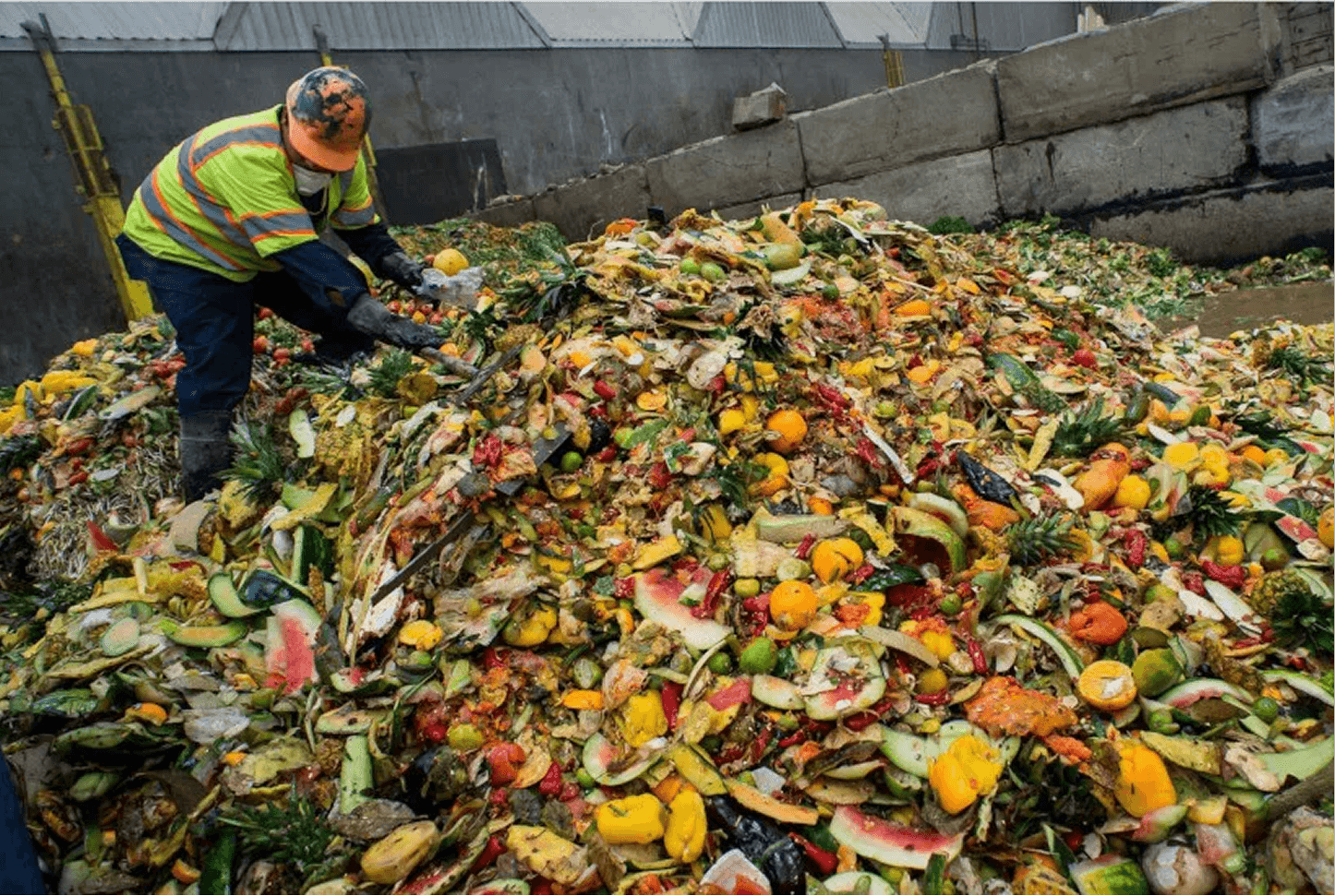
Landfills are ugly, and they don’t smell very good. We came to understand that the single largest component of a landfill — maybe 30% or more — is wasted food. In a landfill, it decomposes in a way that emits much more methane gas than it would if it were composted.
And we thought that was a little crazy. Okay — it was a lot crazy, and a lot wasteful. Especially in the context that, in parallel, we learned that one in six Americans is food insecure. That’s all kinds of bad.
What achievement are you most proud of?
We take our job very seriously.
We are removing from the environment a lot of methane gas, a lot of greenhouse gases — that will improve the quality of life because the planet is a little better off.
But we are also diverting those sources of methane to actually help people.
It’s really lovely. It’s really heartwarming. It’s really wonderful to know that we’re helping the environment and helping people.
I would say that combination is irreplaceably good.
Describe Epic-Cure in three words.
This is a challenge. I have 20 million words for Epic-Cure.
What we’re most proud of is:
Cleaner environment
Happier people
More dignified people
If you make me pick three words only?
Clean. Happy. Fulfilling.
What’s one behind-the-scenes detail people would be surprised to learn?
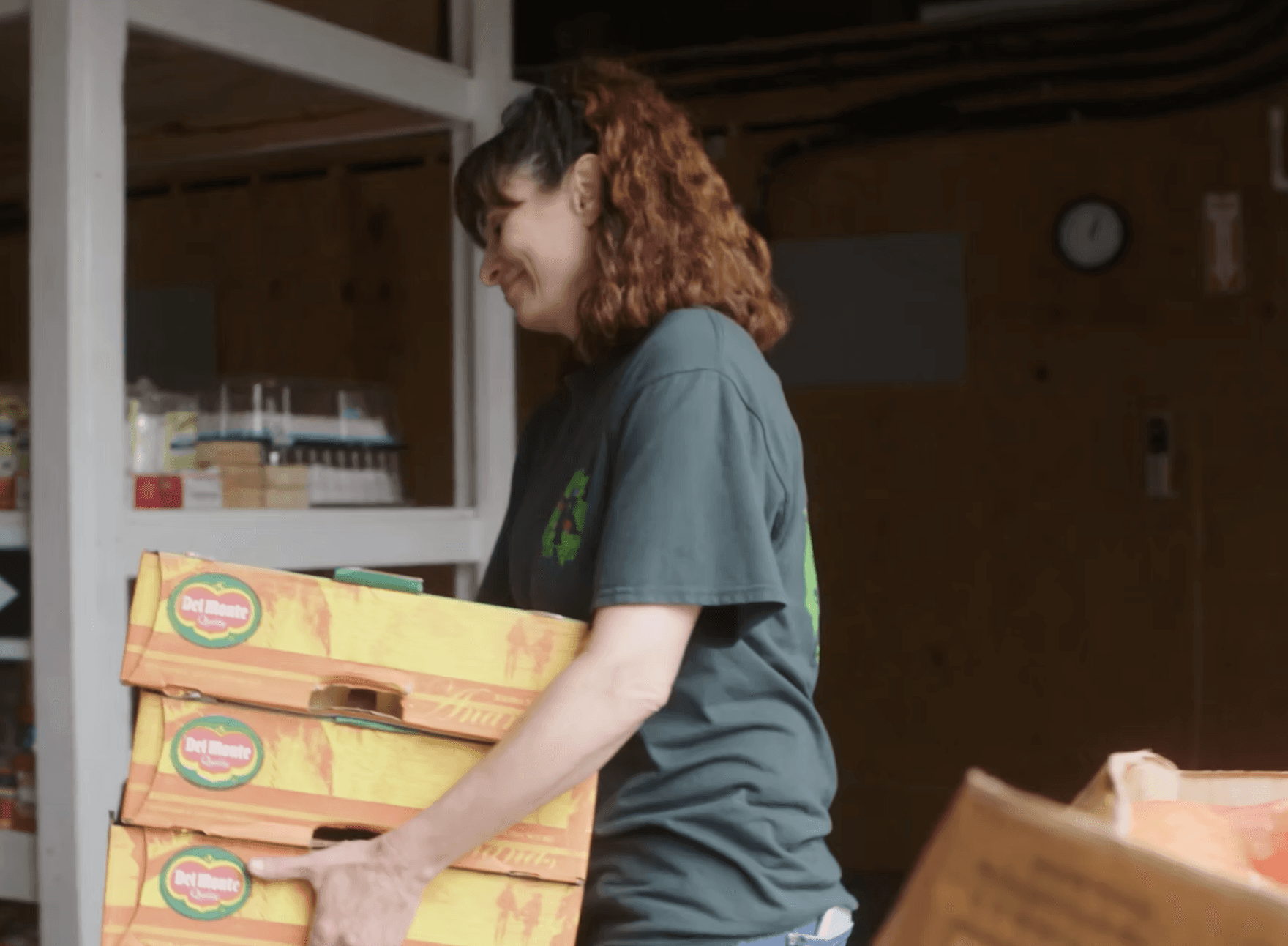
We have 330 volunteers that show up every single week to do this hard work. There’s a lot of lifting, and everything else that happens.
It’s hard work. It’s good work, but it’s hard work.
If you could receive an unlimited supply of one food, what would it be?
We’re collecting a lot of data to really understand food as medicine, because a balanced diet is a better diet.
But given the joy that protein brings, it would be meat. That would be the one we’d want an unlimited supply of.
That said — by weight and volume, the biggest thing we give away is produce. Fruits and vegetables. It’s the most perishable. We push it out fast because it’s at peak freshness today.
I can also answer the opposite:
We’d like to see a little less of the highly refined bakery stuff. People love it, but like I said, we think a lot about food as medicine.
So more meat. More produce. Whole foods.
Where are you recovering most of your food from?
Many sources:
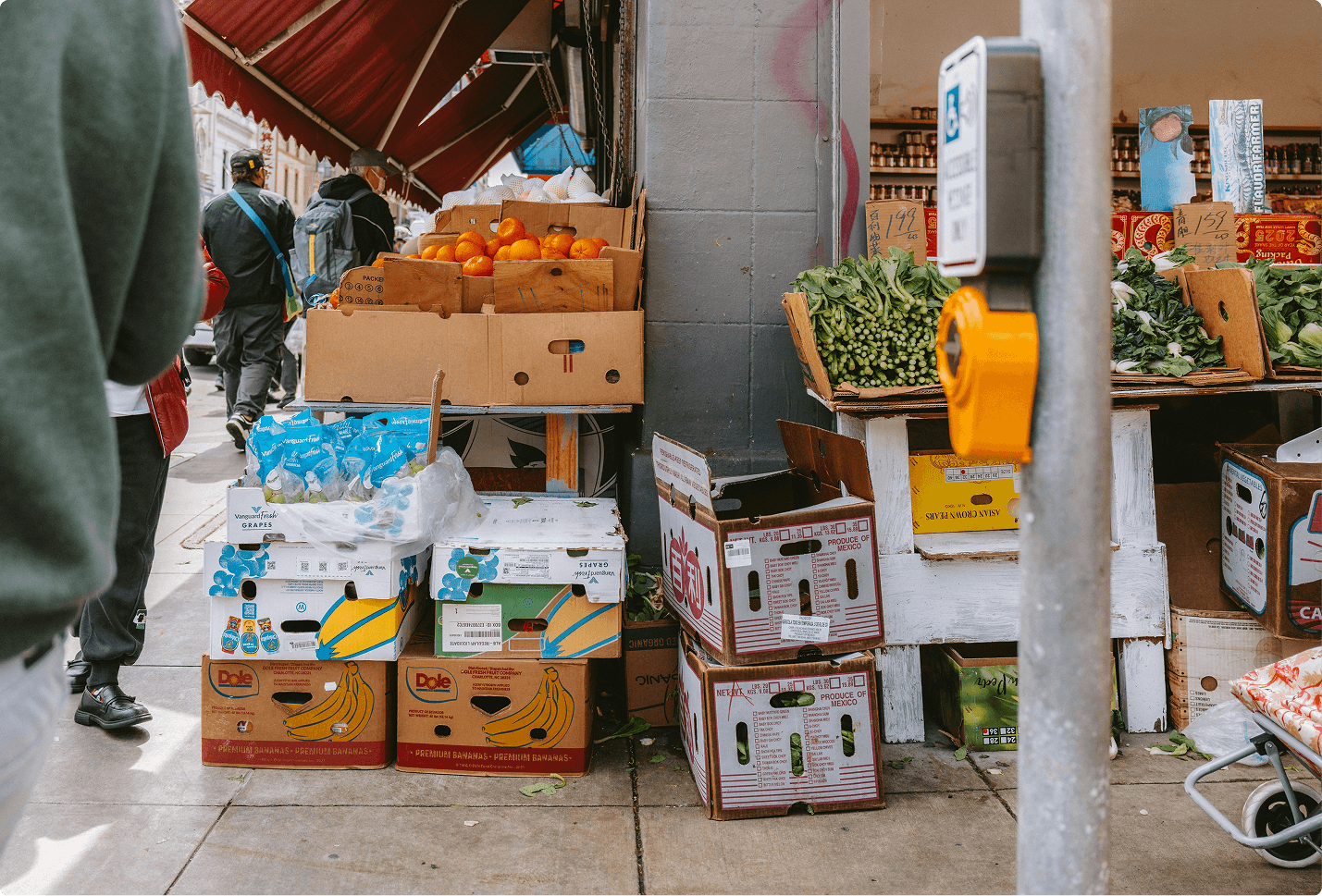
Grocery stores rotating off “best by” dates
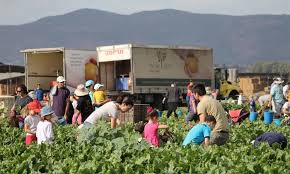
Local farms — gleaning surplus at harvest
Manufacturers
Distributors
Cold storage facilities
One of the more recent ways we've achieved a lot of food is through large semi truck shipments of food that get rejected from the end recipients.
Sometimes we receive 40,000 to 50,000 pounds of grapes that were rejected — nothing wrong with them, just too close to peak freshness for grocery store timelines.
We work closely with partners like FoodRecovery.org and Farmlink, inter-nonprofit relationships with people concerned about the same thing.
We’re working with FoodRecovery.org to create an app—almost like an Uber app—that would allow truckers, when they stop at some trans-shipment center or grocery store or food hub and have a whole load in the back of their semi that’s being rejected, to quickly open the app and say:
“I am here. I have 40,000 pounds of grapes. Anybody want to come and get it?”
The app would notify food banks—like Epic-Cure, or Feeding Northeast Florida—and from there, either the trucker could deliver the grapes, or a food bank could come pick them up at that trans-shipment point.
Ultimately what ends up happening is this:
Truckers get back to work quickly. They don’t have to throw away the food. We avoid landfills, methane gas, and all the bad that comes with that. And in the end, the people who need the food get it.
What’s one myth about food recovery you want to clear up?
That you’ll get sued if someone gets sick from donated food.
In 1986, legislation passed removing liability as long as you can prove good food handling practices — temperature logs, refrigeration records, frozen storage tracking, all the rest.
That myth has a harmful impact. It makes fewer people donate food.
The protections exist. People need to know that.
What are the biggest constraints to Epic-Cure’s growth?
Two things:
Funding — like every nonprofit
Capacity & logistics
Right now, we move about 1 million pounds of food a month.
If we had 50% more refrigerated box trucks, we could likely do 2 million pounds a month. That’s twice the food recovered. Twice the food delivered. Twice the people fed.
Selling carbon credits from the methane we avoid — that could move the needle. That’s why we’re so thankful to Brightly and others helping guide us through this.