Spotlight
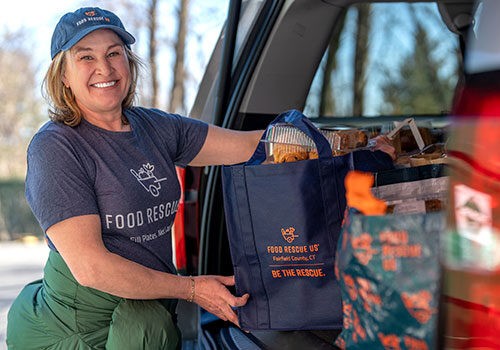
We sat down with Joe Robbins, Chief Product Officer at Food Rescue US, to learn how his team is using technology to make food recovery faster, smarter, and more accessible.
Faces of Food Rescue: Food Rescue US
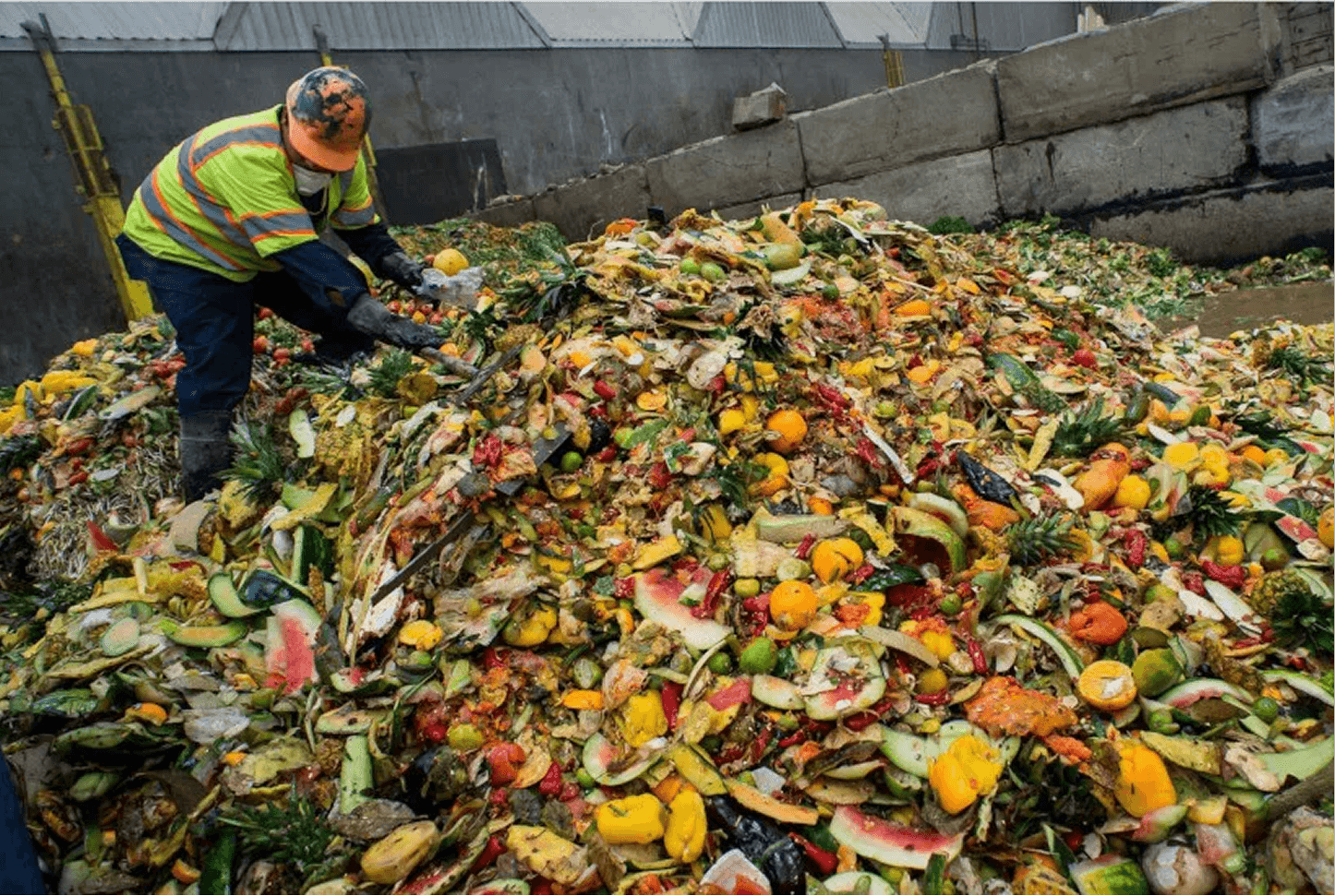
Our Faces of Food Rescue series highlights the people leading the charge to reduce food waste, prevent harmful methane emissions, and feed communities in need across the United States.
We sat down with Joe Robbins, Chief Product Officer at Food Rescue US, who’s helping lead the organization’s nationwide efforts to make food recovery as simple as a few clicks.
What is your name and role at your organization?
My name is Joe Robbins, and I’m the Chief Product Officer at Food Rescue US, a food recovery organization. I manage our technical teams, and together we develop the software platform that powers 142,000 food pickups a year across 26 states.
How long have you been with Food Rescue US, and how did you first get involved?
I’m coming up on three years with Food Rescue US, and it’s been some of the most meaningful work I’ve ever done.
Before this, I worked in software startups and wanted to use my skillset to make a positive impact. I wasn’t specifically looking for something in food recovery—but I saw the Food Rescue US job posting, spent ten seconds on their website, and was completely sold.
I grew up as the oldest of six kids with a single mom, and we went to food banks my whole childhood. So this mission means a lot to me personally. I’m so lucky to go to work every day and absolutely love what I do.
What accomplishment are you most proud of from the past year?
This year, we launched DonorLink—a first-of-its-kind integration with restaurant point-of-sale systems.
One of the biggest barriers for restaurants to donate food is how much time it takes to add something new to their process. DonorLink solves that. Restaurants can now use the same system they ring up customers on to ring up a donation. That donation automatically gets communicated to our software, and a volunteer is routed to pick it up—sometimes the very next day.
What’s one behind-the-scenes detail that might surprise people?
We don’t have any paid drivers—and we don’t own any trucks.
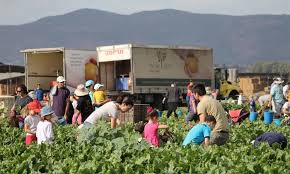
Our entire model runs on decentralized volunteer networks across 26 states. Using our app, volunteers find rescues that fit their schedule, use their own vehicles to pick up food, and deliver it directly to local agencies.
Because of that, food doesn’t sit in storage or trucks—it goes straight from donor to community the same day. It’s incredibly efficient: for every dollar we spend, we recover about 20 pounds of food.
If you had to describe Food Rescue US in three words, what would they be?
Resourceful. Compassionate. Innovative.
Our site directors and partner agencies are constantly finding ways to do a lot with very little. Their resourcefulness is inspiring—and we’re just here to support that work with technology and coordination.
What type of food are your partners most excited to receive?
Our partners love receiving prepared food.
A lot of food banks focus on shelf-stable items like canned goods, but our model allows us to safely recover food that’s already cooked—from catering companies, stadiums, and large events—and deliver it to agencies that can serve it within hours.
For example, during the Super Bowl at Hard Rock Stadium in Miami, we recovered over 90,000 pounds of food. We’ve done similar rescues at the Grand Prix in Miami and Detroit.
These are high-quality meals that might otherwise go to waste—and instead, they’re feeding communities.
If you could get an unlimited supply of one rescued food item, what would it be?
I would say fresh produce.
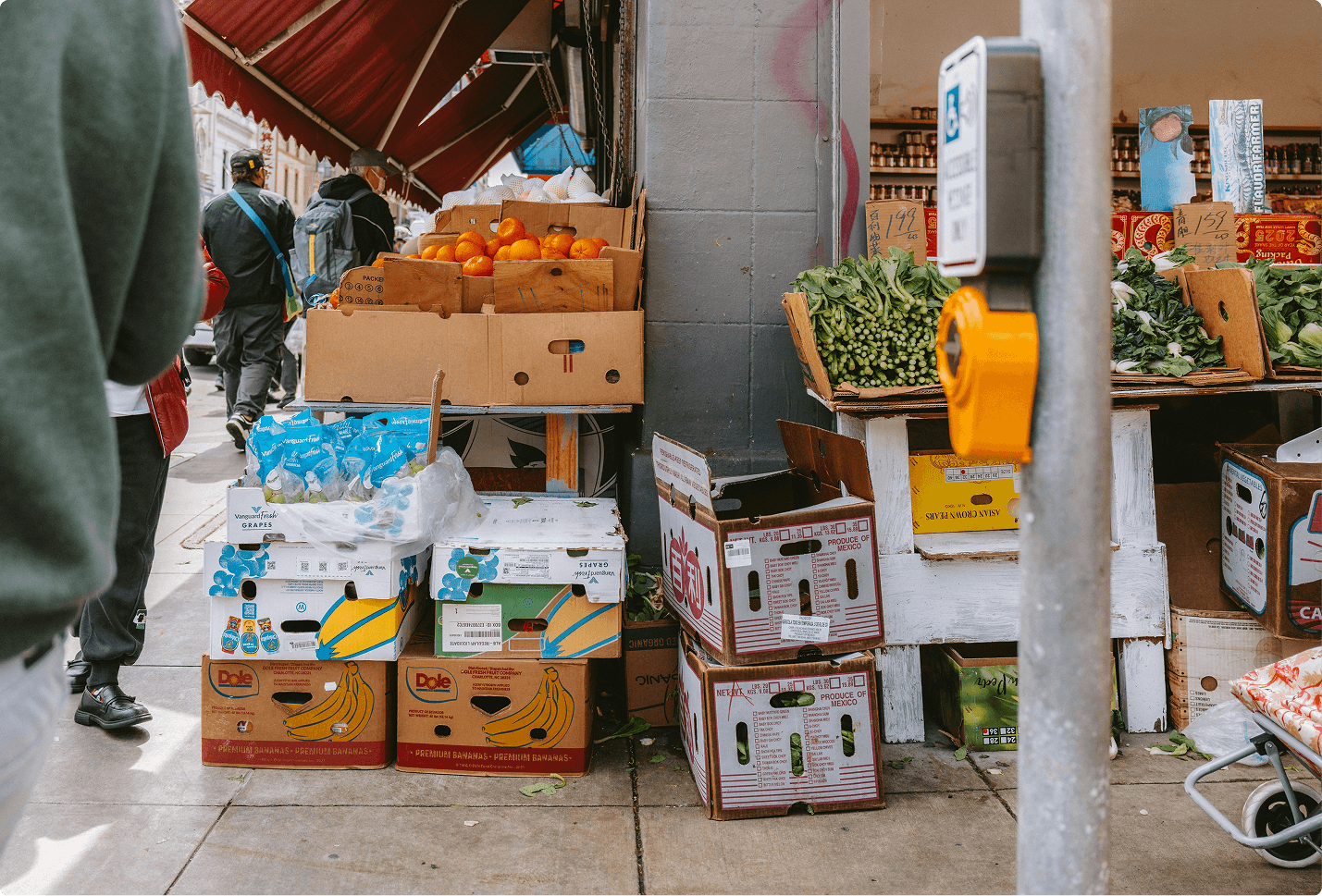
Produce is flexible—it gives people choice in how they cook and eat—and it’s one of the hardest things to recover because of strict temperature and handling requirements. But it’s also one of the most impactful foods we can provide.
What’s one myth about food recovery that you’d like to clear up?
When people think of the food you’re going to get at a food bank, most picture macaroni and cheese or cans of green beans and things like that.
And one really cool thing about the Food Rescue US model is that we’re able to rescue high-quality prepared foods.
A great example is last month during New York Climate Week, when we recovered food from the NEST Climate Campus at the Javits Center. They made these beautiful quinoa and beet salads for the conference attendees, and afterward, we were able to recover hundreds of prepackaged bowls of those salads and deliver them to a local shelter, where they were served that night and the next day.
We were able to get really great, fresh food to people who needed it most.
What are Food Rescue US’s biggest constraints to growth?
Our biggest challenge is capacity.
We’ve grown from 15 sites in 2020 to 49 sites today, supported by 12 full-time staff and about 30,000 registered volunteers. Scaling that kind of operation—across so many local communities—takes resources and people.
We’re entirely funded by grants and donations, so growing our capacity means finding the support to hire and sustain the incredible people who make this work happen.