Spotlight
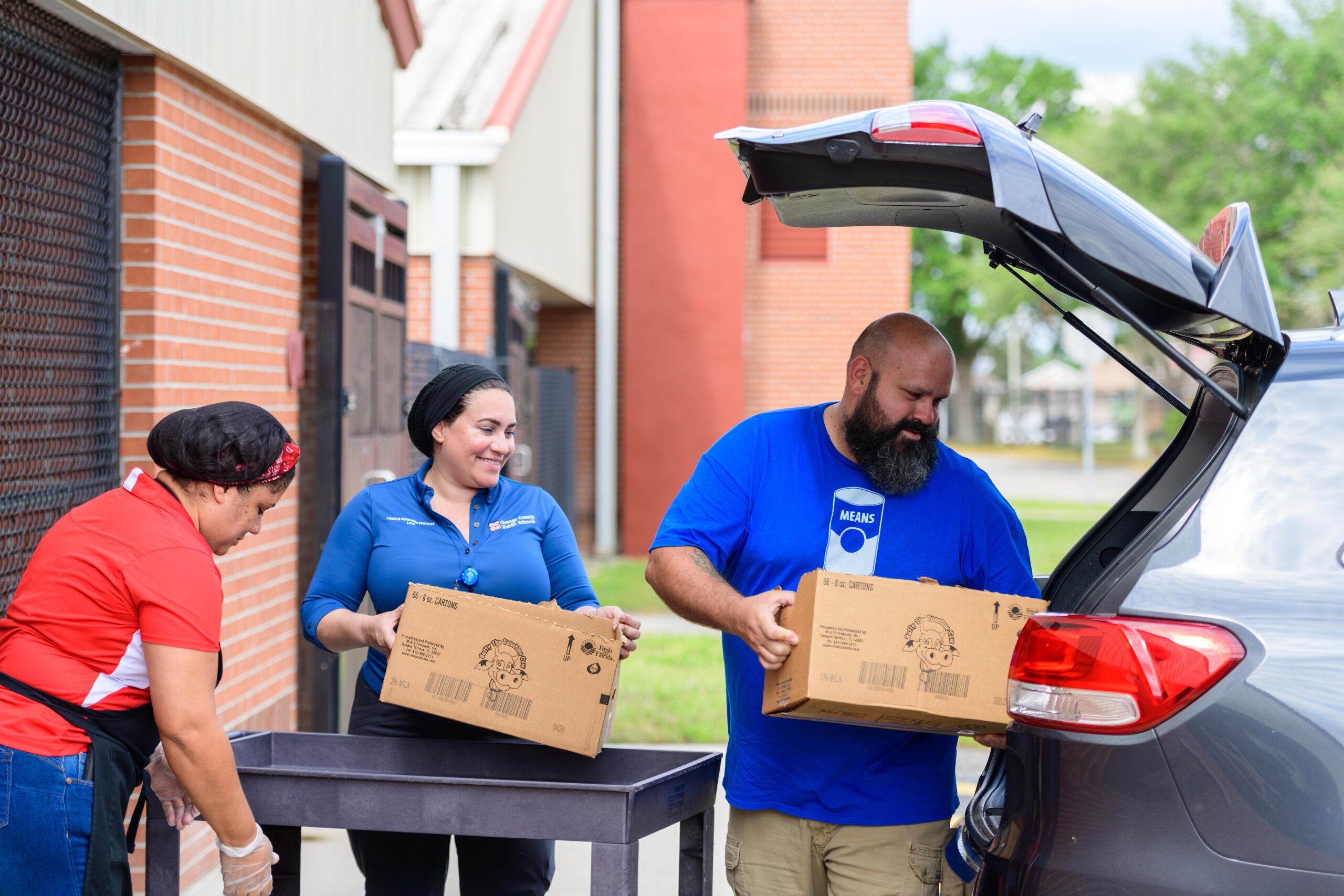
At FoodRecovery.org, Ellen Schoenberg and the small but mighty team are rescuing over a million pounds of food each week, redirecting it from landfills to families across the U.S.
Faces of Food Rescue: FoodRecovery.org
Our Faces of Food Rescue series highlights the people leading the charge to reduce food waste, prevent harmful methane emissions, and feed communities in need across the United States.
We sat down with Ellen Schoenberg, Large Donation Program Manager at FoodRecovery.org, a nationwide organization rescuing over a million pounds of food every week across the U.S. and Canada.
How long have you been with FoodRecovery.org, and how did you first get involved?
I’ve been working at FoodRecovery.org for three years now. I actually started when I was in college—I was volunteering at a local food pantry and really loved the work. I found FoodRecovery.org on a list of local nonprofits making a difference, sent a cold email to the executive director, and asked if I could help.
I started off as their social media intern, and now I manage large, palletized food donations across the country. Three years later, the organization is bigger than ever, and I love what I do.
How much food does FoodRecovery.org rescue each year?
We’re averaging over a million pounds of food recovered and donated every single week—more than 53 million pounds this year alone. Last year, we hit 81 million pounds in total.
It’s hard to picture, but a school bus weighs about 25,000 pounds. So that’s over 3,000 school buses worth of food that didn’t end up in landfills.
What achievement are you most proud of from this past year?
Our team is small—just eight full-time staff—but we’ve been able to respond to disasters across the country. We provided food and supplies for Hurricane Helene in North Carolina, Hurricane Milton in Florida, wildfires in California, and flooding in Texas.
Not only are we preventing food from going to waste, we’re making sure it reaches communities when they need it most.
What’s one behind-the-scenes detail people might be surprised to learn?
We’re a completely remote team. We don’t have an office or warehouse space. It keeps us flexible and able to respond to donation opportunities anywhere, anytime.
We rely on our incredible network of partners—truck drivers, farms, warehouses, distributors, and nonprofits—to get food to people who need it.
If you had to describe FoodRecovery.org in three words, what would they be?
Dedicated. Collaborative. Impactful.
What types of food are your partners most excited to receive?
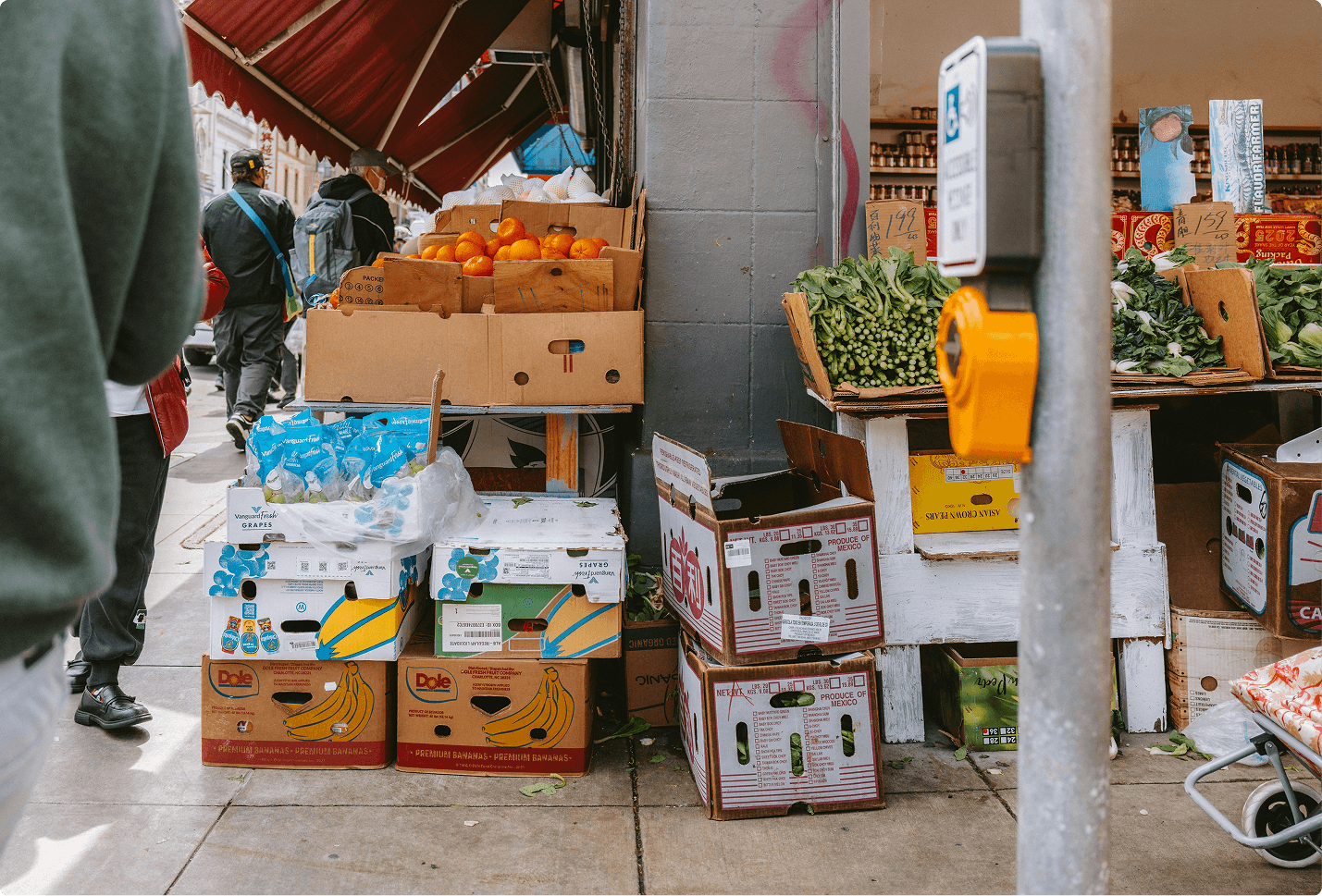
Our partners love receiving dairy products—things like yogurt, milk, and cheese. We also donate a lot of fresh produce, which everyone appreciates.
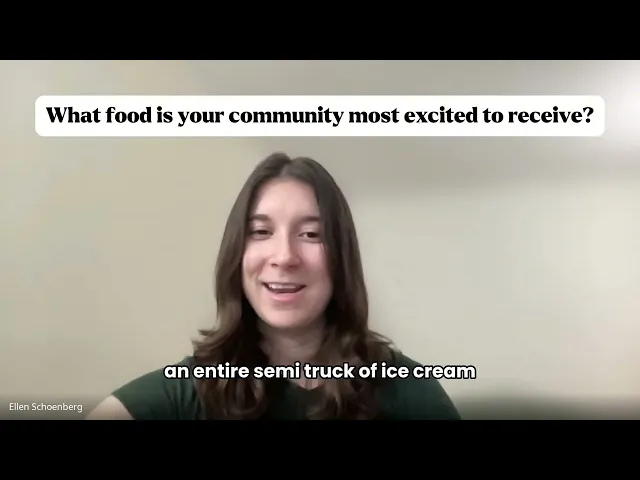
One of my favorite donations ever was when we recovered an entire semi-truck of ice cream—40,000 pounds of it! It was a limited-edition flavor that couldn’t be sold anymore. I got to send emails asking, “Would you like 40,000 pounds of ice cream?” Best day ever.
If you could receive an unlimited supply of one rescued food item, what would it be?
Definitely canned vegetables and canned proteins. They’re shelf-stable, nutritious, and high in demand for our partners. Those products are gold in the food rescue world.
What are some of the biggest challenges to scaling your impact?
There are many, but one of the biggest is infrastructure—we need more investment in transportation, cold storage, and warehouse space.
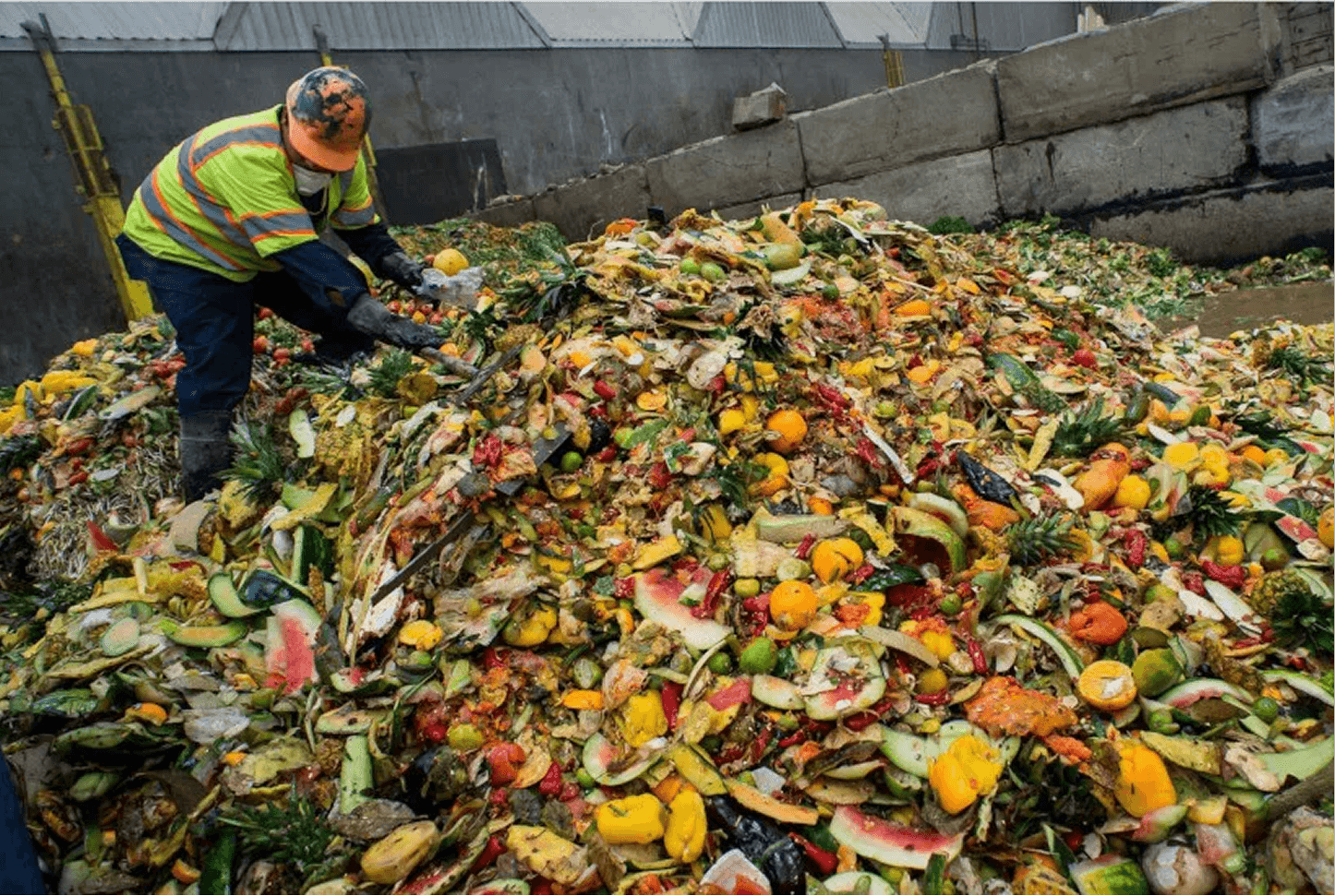
Food insecurity affects 1 in 7 Americans, including more than 14 million children, while 30–40% of food in the U.S. goes to waste.
When you tackle food waste, you’re tackling food insecurity at the same time. We’re tackling both problems at once, but we need more partners, funding, and awareness to help us grow.
What’s one myth about food recovery you’d like to clear up?
That recovered food is somehow lower quality. It’s not!
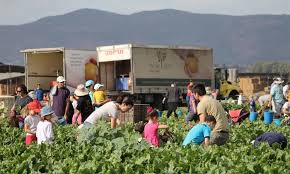
We’ve rescued fresh lobster from events, and truckloads of perfectly good produce—like 40,000 pounds of cabbage that was rejected from a grocery store just because the truck’s temperature was four degrees warmer than the store’s standard.
The food is great quality; it just gets caught in the logistics of the supply chain.