Food waste is not only a food problem. When organic material decomposes in landfills, it can generate methane, a powerful greenhouse gas. Brightly uses real-world food data and rigorous environmental methodologies to quantify the impact of alternative pathways - including food rescue.
What happens to food after it becomes surplus matters.
The climate impact of surplus food depends on where it goes and what happens next. Landfill, food rescue, composting, anaerobic digestion, animal feed and other pathways can produce different environmental outcomes.
Brightly helps make those differences measurable.
Start with a rigorous baseline.
Brightly's technical team draws on project-tested carbon methodologies and recognized sources including EPA, UK DEFRA and IPCC parameters to build baselines and estimate greenhouse-gas outcomes with greater rigor than generic averages alone.
UK DEFRA
Government conversion factors
IPCC
Global climate methodology
Measurement, reporting and verification built for operational data.
Brightly's MRV infrastructure is designed to handle large and imperfect food datasets, map food types to relevant environmental parameters, apply quality controls, identify inconsistencies and support auditable calculations.
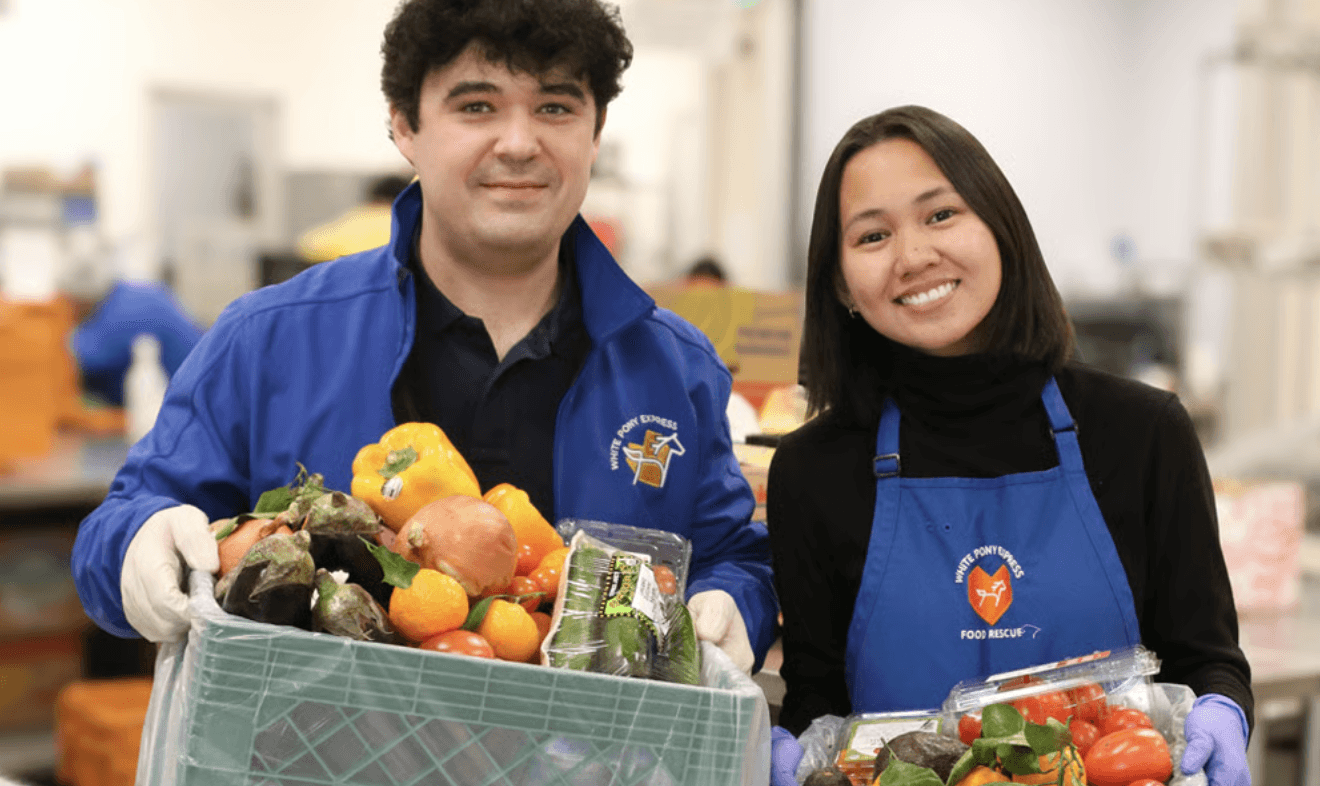
Food rescue can create measurable climate value.
When edible food reaches people instead of going to waste, it can create social value while avoiding emissions associated with disposal. Brightly's work quantifies those outcomes using actual recovery data.
Brightly's technical expertise includes work across food-loss-and-waste methodologies, grouped project structures, monitoring systems and international carbon standards. That experience informs both our project development and our environmental advisory work.
Designed for third-party scrutiny.
High-integrity environmental claims require documentation, quality assurance and independent review. Brightly's experience preparing projects for validation and verification helps organizations build stronger evidence and navigate demanding technical processes.
First-ever Verra issuance for rescued food carbon credits.
Brightly's food rescue carbon credits have been issued under Verra's Verified Carbon Standard, creating a new way to recognize the measurable climate value of keeping edible food out of landfills.
Carbon is one potential pathway for creating climate value, not the starting point. Brightly begins with the data, the surplus pathway and the measurable opportunity.
